Understand where AI image and video generation is. Learn the capabilities of modern deepfakes. See what casinos are doing to tackle them. Discover how you can protect yourself from fake casinos and uncover the ultimate solution to avoiding fake casinos.
Do you remember the very first deepfake that you fell for? The sudden realization that something is off was followed by a prompt brow frown and possibly a slap on the forehead. Among such sometimes unpleasant surprises were the comedic failed AI videos, with Will Smith attempting to eat spaghetti, turning into an industry benchmark. But what about now? Can you still tell deepfakes from real videos, or are you being tricked more and more often? Behind these questions lies an arms race between online fraudsters and online casinos. An arms race that you need to prepare for, or your bankroll is more than at risk.
AI-generated images have been appearing all over the web for years now. While their accuracy has been improving, we have, up till now, been able to confidently say which images are real and which are fake. An image of a casino in space with a human dealer that has 6-8 fingers on each hand was a dead giveaway, but a dimly lit poker table with a few cards was hard to distinguish from the real deal.
Now these images can be generated with shocking accuracy, even by non-image generation tools such as ChatGPT and Gemini. Dedicated models such as Midjourney, Flux Pro, Stable Diffusion, and even Adobe’s Firefly can create images that can hardly be distinguished from real ones.
The best models go beyond static image generation and allow for full video generation. While an image does not grab your attention, a video that plays in your Instagram, X, or YouTube feed definitely does due to our natural instincts to detect movement in our environment. The most clever scammers have used these models to generate fake advertising videos that mimic a real online casino, but simply take your funds and close your account after you are done depositing.
Now you might say that you can immediately tell when a casino advertisement is fake since a video has low production quality. That is a very good point, but what happens when the video contains a voice-over?
It is proven that humans are more susceptible to voice advertisements than mute ones, especially if a convincing voice is joined by a catchy tune. Just think of McDonald's, and you immediately hear the classic tune and slogan ring out in your ears. While online casino scammers are far from the level of McDonalds’ advertisement, they do have AI voiceovers at their disposal.
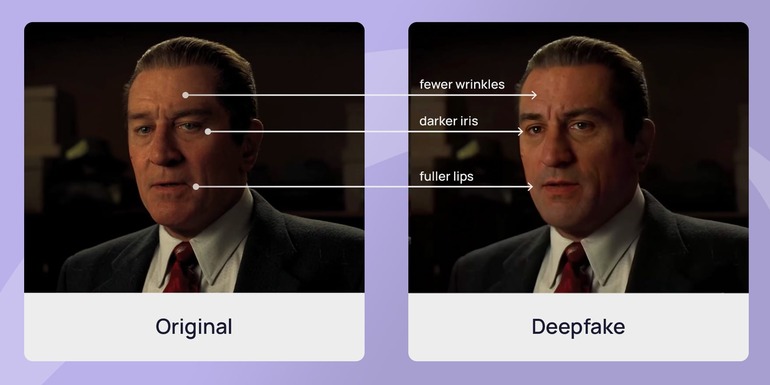
An AI voiceover can be far more than a robot reading out its designated lines. The voice is usually a clone of a famous person, be it an actor or a singer. The most famous among these have the best AI voices, as they have been specifically trained to mimic humans as closely as possible. You will, therefore, sometimes not tell. Moreover, you will not tell at all if you are tired.
We have no doubt that you are incredibly careful regarding where you wager your hard-earned cash. Only the very best online casinos will do, and even the best are sometimes not good enough, which is why our long list of leading reviewed casinos can be so handy. So, as a careful punter, you will reach out to the customer support and see if they are legitimate!
But wait, the customer support can be a fully AI-driven chatbot that is trained to calm your nerves and lure you deeper into a trap. Heck, it might even offer you a random bonus for your “trouble” and urge you to deposit in the next few minutes, essentially taking away your time to reason.
Thankfully, you know the perfect solution. You will call the online casino directly and check if a human is on the other side. Well, a human may just answer, but it will not be a trustworthy official, but rather one of the would-be scammers.
Scammers pretending to be casinos are not the only new threat that the advance of AI has introduced into the world of iGaming. There are some that use image and even video generation tools to fool customer support. Moreover, they manage to verify their casino accounts despite the submitted image being a deepfake. Most online casinos cannot fall for such traps since they check the numbers on your submitted documents, but some have fallen victim.
Besides being extra careful when accepting submitted documents and training staff to spot deepfakes based on the tint, glow, or image style, casinos have also been hard at work taking down fakes. Fake casinos often steal the user interface, logo, or even entire persona of a genuine casino. They make a near-perfect replica of an actual venue, with the real casinos sometimes stumbling upon them on social media. The response is usually immediate and expected, including reports, warnings, and legal action.
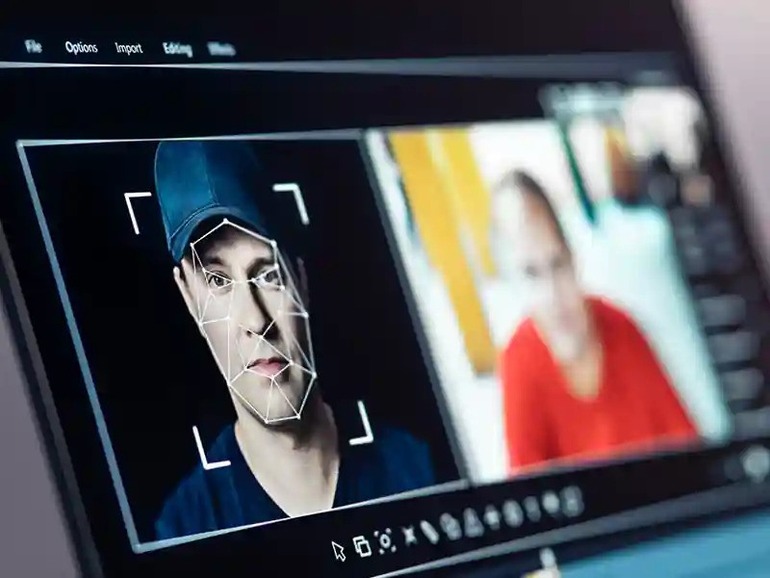
Online casinos alone will not be able to stop the tide of AI-generated content. Deepfakes will get better, produce faster, and be even more difficult to detect. While forensic tools are being developed, they are far from production-ready. Moreover, the deepfake forensics and deepfake creators are in a constant arms race that will rarely be evenly matched.
In this brave new world of deepfake fraud and increasingly questionable casino security, we have to look at classic solutions for salvation. By far the most classic and reliable ones are online casino reviewers, who dive deep and do their best to detect fraudulent gaming venues. We invite you to sign up for our newsletter and follow our reviews in order to stay one step ahead of deepfakes. What is more, all of our reviewed and recommended online casinos are verifiably real.


 Blackjack
 Slots
Slots Roulette
 Baccarat
 Craps
Craps Poker
Poker