Can AI-generated influencers redefine celebrity endorsements? The advertising world is evolving as brands turn to virtual avatars like Lil Miquela. Dive into this trend and see how it could reshape marketing opportunities—even for regulated industries.
With the advent of generative AI (artificial intelligence) and its application to the creation of various forms of still art and, more recently, video, the lines between art and reality have become blurred.
The most incredible example of this cutting-edge technology is its impact on media and advertising, where before their origins were made public, marketing and technology companies created photo-realistic images of people and infiltrated the social media influencer sphere.
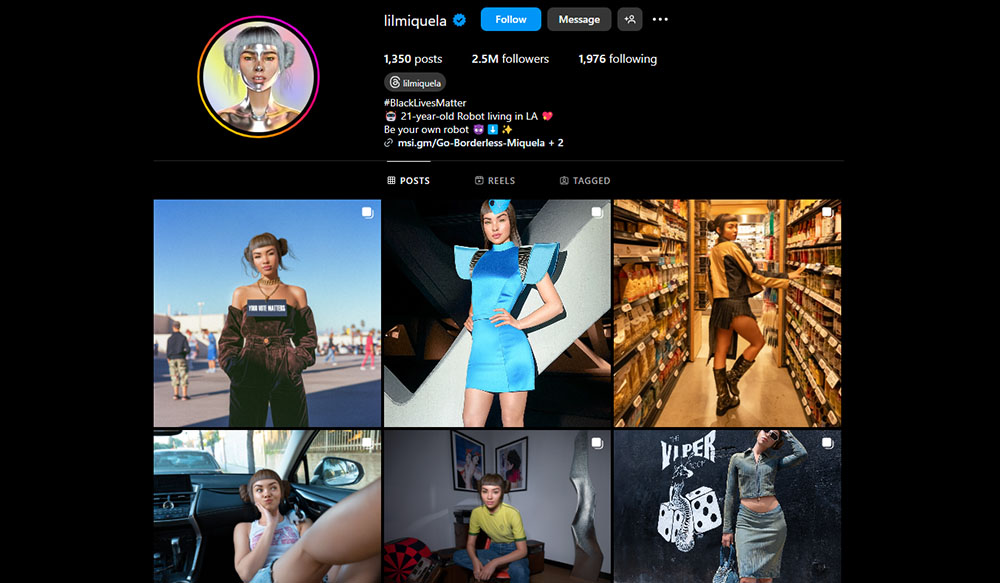
While she is far from the most lifelike AI avatar online today, Lil Miquela represents the genesis of this newly engineered breed of social media influencer.
Miquela Sousa, aka Lil Miquela, was created in 2016 by the US-based media company Brud. They toyed with mixing real-life products and marketing with an entirely virtual brand ambassador. In addition to her lifelike looks and well-executed lighting, they consider the time and effort put into creating “her story” a large part of the campaign's success.
They gave her a real name, a rich personality, and ethnic roots. They even went so far as to engineer real-life scenarios like her Instagram account being hacked and posting about world events like the Black Lives Matter movement, showcasing her empathy and connection to her fans.
According to Bloomberg, Lil Miquela earns about $10 million annually through various brand deals with companies like Samsung mobile, Prada, and Calvin Klein. This is easy to believe when considering that a single post on her Instagram account will set you back at least $10,000.
It would be hyperbolic to say that the success of the virtual superstar has flooded the market with copycats, but this is an increasingly vital and vibrant side of social media.
According to Virtual Humans, a site dedicated to the growing number of and interest in non-traditional ambassadors, Instagram has more than 35 officially approved virtual influencers posting about their “lives” and “favourite products” around the clock.
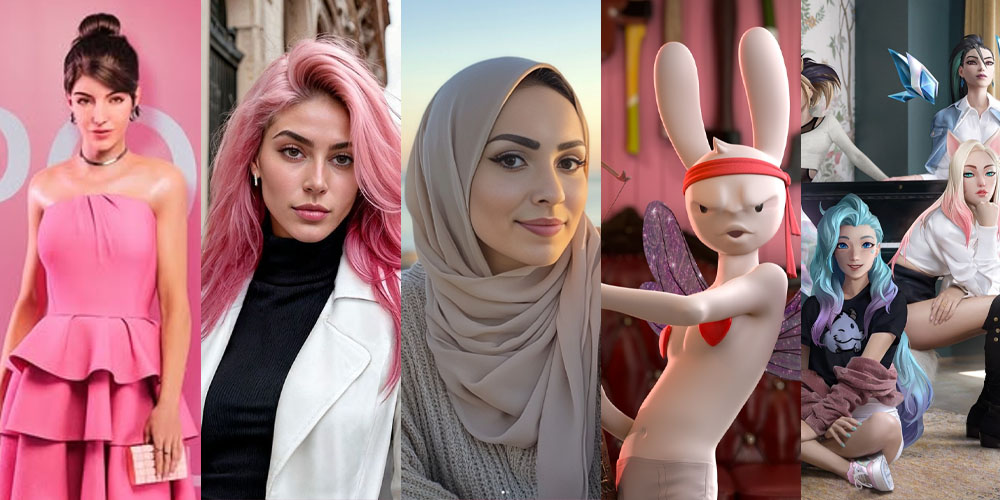
Some other examples include:
These influencers range from the hyper-realistic to the overly ridiculous, proving once again that there is no one-size-fits-all when it comes to brand alignment and community interest.
In the online casino and sports betting world, stricter regulations around celebrity endorsements, sponsorships, and promotional events are beginning to limit advertising campaigns.
While cryptocurrency casinos and bookmakers are engaging the likes of Mike Tyson, Connor McGregor and even Snoop Dogg to promote their sites and new game releases, this door is closing fast for operators regulated in the UK and regions with similar advertising restrictions in the Gambling Acts.
Here are 4 ways that AI influencers could be the answer to these restrictions:
AI and its many spinoffs are pushing the boundaries of what can be achieved through all forms of media and pressing lawmakers to stay on top of their game to ensure that they account for how this technology can be used to influence buying decisions. Until they decide how to categorise collaborations with virtual spokespeople, celebrity partnerships might still be available to online casinos and sportsbooks, just in an unexpected way.


 Blackjack
 Slots
Slots Roulette
 Baccarat
 Craps
Craps Poker
Poker