Slots, loot boxes, and blind boxes are built on the same idea: play for a chance. This article explores “soft gambling”, legal definitions, global trends, the psychology behind it, and why millions keep spending on chance-based rewards.
Gambling no longer lives only in online casinos. It sits in your pocket, hides in your favourite games, and even shows up in toy stores. What used to be a clear line - bet money, win or lose - has softened. Today, millions interact with systems that feel a lot like gambling but are not legally defined as such.
Slots, loot boxes, and blind boxes all tap into the same core idea: play for a chance, not a guarantee. This shift has created what many now call “soft gambling.” It’s less intense, more socially acceptable, and often wrapped in entertainment or retail. The mechanics, however, are strikingly familiar.
While these three terms seem worlds apart, they follow the same playbook when you strip away the branding:
The key difference lies in perception. Slots are openly gambling. Loot boxes and blind boxes feel harmless and more playful.
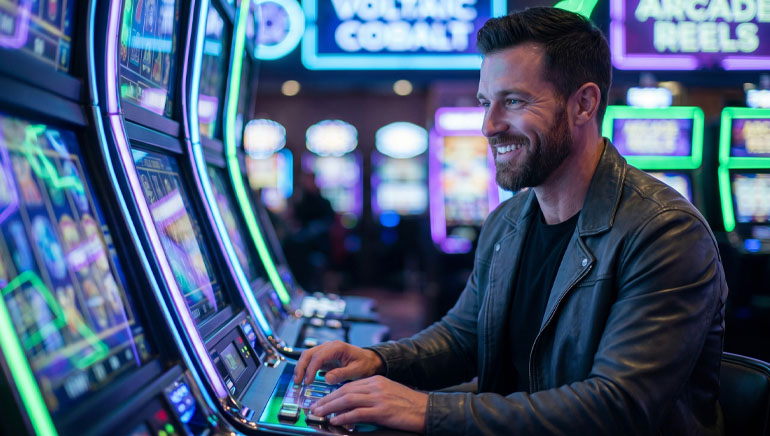
Legally speaking, something usually counts as gambling when three things are present: you stake money, the outcome depends on chance, and you can win something of value or nothing at all.
Slots tick all the boxes, so they fall squarely under gambling laws. Loot boxes and blind boxes are more complicated. In the UK, gambling regulators have argued that they don’t count as gambling because the rewards can’t officially be cashed out.
Belgium effectively banned certain loot boxes as illegal gambling. Germany introduced age restrictions. Spain pushed for transparency in odds and spending controls, while the Netherlands ruled that some systems fall under gambling laws.
Blind boxes sit even further outside regulation. You always receive a physical product, so they’re treated as retail. Still, the similarities create a legal grey zone.
If there’s one reason all of this works, it’s anticipation. Psychologists call it variable reward. You don’t get the same result every time, and that unpredictability keeps your brain engaged.
When you open a loot box or tear into a card pack, your brain releases dopamine before you even see the result. It’s all about the build-up, and not so much about the outcome.
Research has shown that loot boxes trigger the same neural pathways as traditional gambling. Studies have also found a link between high loot box spending and problem gambling behaviours.
Blind boxes tap into the same experience, just wrapped in a softer experience. There’s no casino floor or obvious sense of risk. But the loop is identical: buy, open, reveal, repeat.

Soft gambling taps into limited editions, rare drops, and timed offers - you’re pushed to act quickly. “If you don’t act now, you might miss out!” Creating FOMO (the fear of missing out) works incredibly well and keeps you engaged.
Add social media into the mix, such as TikTok unboxings and livestream pulls, and the cycle becomes even stronger. Seeing others win increases the urge to try again. People are chasing a feeling, making it less about winning and more about experiencing “the moment.”
These systems are carefully built to encourage repeat behaviour. Small wins keep you engaged. Rare jackpot rewards keep you curious. Limited availability keeps you moving. Instead of one big “bet,” it’s about hundreds of tiny ones.
One of the more interesting shifts in soft gambling is who it attracts. Traditional gambling has always been dominated by males. In the global online poker tournament, the World Series of Poker, only 4% of players were female. Soft gambling flips that dynamic, aligning it more with online bingo, which skews heavily towards a female demographic.
Blind box brands report that a large majority of their customers are female, with a high repeat-purchase rate. Social casino apps also draw heavily from women aged 35 to 55. It’s not about replacing traditional gambling. It’s about expanding the market in a completely different direction.
The scale of the shift is huge. The global market already sits in the hundreds of billions. Loot boxes generate billions more annually, and blind boxes and collectables have built their own ecosystem.

Soft gambling isn’t a trend that’s fading. It’s becoming part of how digital products are designed. Gaming, shopping, and entertainment are blending together. You’ll see more systems built around chance, rewards, and repeated interactions.
While regulators are still playing catch-up, it’s important to see how similar soft gambling is to the real deal. Whether you’re unlocking a loot box, unveiling a blind box, or playing games of chance, it can all pave a pathway to problem gambling.
For users, awareness makes a difference. Once you recognise the loop, it’s easier to step back and decide how much you actually want (and can afford) to spend. Engaging on your terms is key. Understanding how they work doesn’t ruin the fun. It just puts you back in control.
Soft gambling works because it doesn’t feel like gambling. That’s its biggest strength but also its biggest risk. Once you recognise the patterns, you start to see them everywhere, and that gives you a choice.
If you enjoy the thrill of chance, it’s worth exploring platforms where everything is upfront. Our top online casinos and crypto gambling platforms offer generous promotions, probably fair game reports, and safer gambling tools to help you stay in control and play for fun - not out of habit.


 Blackjack
 Slots
Slots Roulette
 Baccarat
 Craps
Craps Poker
Poker