Join us as we look into the crazy world of memecoins and the celebrities who have tricked their fans into falling for rug pulls. We also cover how different this is from celebrities who partner with crypto casinos as their ambassadors.
While Dogecoin and Shiba started their cycles as memecoins, they grew into trusted cryptocurrencies with a place in the global market. However, most memecoins never even attempt to break into the crypto mainstream. They exist as a way for tech enthusiasts to poke fun at the mainstream ‘investment bros’ and make some money along the way.
More recently, a disturbing trend has arisen where celebrities leverage their expansive fan bases, coupled with the for-fun-not-profit mentality that surrounds memecoins with the intent of pulling off lucrative pump-and-dump schemes.
Crypto Gambling and Celebrity Ambassadors
With online gambling regulators looking for ways to limit the advertising of online casinos and sports books, there has been a clampdown on celebrity endorsements and ambassador programs.
The crypto casino market has bucked that trend, choosing instead to launch a range of successful partnerships with sports stars, MMA fighters, Hollywood celebs, live streamlining personalities from Twitch.tv and Kick.com, and other markets.
Some of our favourite online gambling partnerships include:
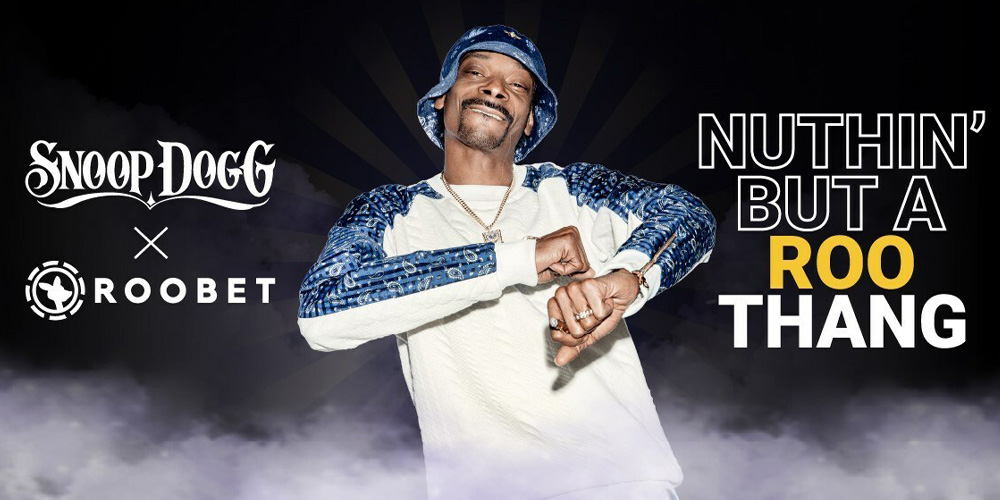
- Snoop Dogg: The king of 420 made his crypto casino ambassadorial debut with Roobet Casino, where he was dubbed their Chief Ganjaroo. The agreement saw fans gain access to a range of web3 products and online experiences, including welcome bonuses and random prize giveaways worth $1000 each.
- Mike Tyson: The man with iron fists and a heart of gold partnered with Rabona Casino to promote their crypto offering worldwide. Fans get to interact with Mike live on his casino streams, learn about his life and grab bonuses and promotional offers at the same time.
- Connor McGregor: If anyone is willing to put his money where his mouth is, it’s the former UFC champion Connor McGregor. He entered the world of crypto casino entertainment when he became a brand ambassador for Stake Casino. Not one to do things in half-measures, he dropped a cool $1 million during his first crypto casino stream!
A host of entertainers who have partnered with crypto casinos have also created massive online followings thanks to their gaming prowess or sheer ridiculous personality traits. These include big-name streamers such as Felix "xQc" Lengyel, Nick “Nicke Mercs” Kolcheff, Adin Ross, and many others.
Perhaps due to the value of the contracts, none of the celebrities who have landed legitimate crypto casino streaming or ambassador deals has gone on to launch memecoins connected to rug pulls or other scam-like behaviour.
Celebrity Memecoins and Rug Pulls
The most common term you hear when discussing celebrity-backed memecoins is rug pull. Coinbase defines a rug pull as follows:
“A rug pull is a scenario in the cryptocurrency space. It involves a team raising assets from the public by selling a token, only to abruptly shut down the project or disappear, taking the raised assets with them. This leaves the participants, or rather, their victims, with worthless tokens.”
Here are some of the most notorious scam tokens to date:
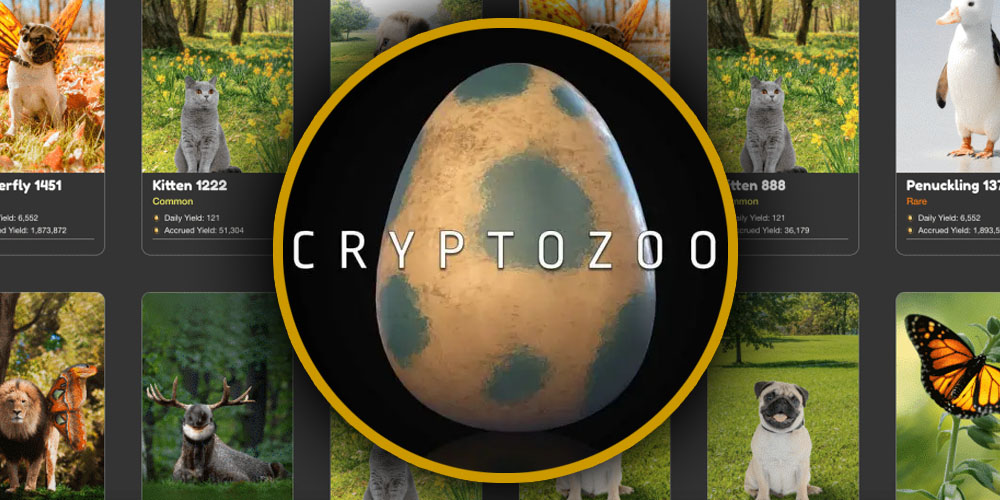
- $ZOO Token: Investigative Youtuber Coffeezilla made headlines when he revealed that famous social media celeb turned WWE wrestler Logan Paul had scammed his fans out of millions of dollars with a dual NFT and crypto project called CryptoZoo which generated $ZOO tokens. Court cases about this rug pull are still ongoing.
- Dink Doink: While ZooToken has landed Logan Paul in hot water, it was not his first foray into memecoins. His inaugural project was Dink Doink ($DINK), which he claimed would be the entry point for young people to buy and sell crypto. Ultimately, DINK went the way of ZooToken, with Paul profiting and his support of the token fading into obscurity.
- EthereumMax: Kim Kardashian is one of the biggest names in the world, and her support of the EMAX token guaranteed it would sell like hotcakes. In 2022, the infamous reality star was paid to promote a dump-and-dump token on her social media accounts without advising her followers that it was a paid promotion. The scam was so evident that the Securities and Exchange Commission took her to court, where she was ordered to pay $1.26 million in penalties and other fines.
- JASON: Pop icon Jason Derulo got into hot water after promoting his memecoin JASON to his 3+ million followers on social media. The announcement saw the token’s value skyrocket and then drop by more than 72% in minutes with sell-offs linked to Derulo and the coins creative team shown as the reason for its crash. While Derulo tried to redirect blame to other project members, analysts put his profits at over $1 million.
What makes these rug pulls so insidious is that fans of the celebrity buy into the project based on their advocacy of the project and the celebrity claiming to be ‘in the trenches’ with them. Most often claiming they have invested large sums of money personally and will leverage their name and brand to ensure the new cryptocurrency is a long-term success.
Keep Your Feet Firmly Planted
Here are 9 tips for recognising and avoiding rug pulls online:
- Research the Dev Team: Verify the identities of the developers and key team members. If the team is anonymous or has limited information, proceed cautiously. Look for credible experience and a crypto or tech industry track record.
- Examine the Whitepaper: A well-written and detailed whitepaper should explain the project's goals, technology, and roadmap. It could be a red flag if the whitepaper is vague, poorly written, or full of unrealistic promises.
- Understand the Token Distribution: Check how the tokens are distributed. If the developers hold a large portion or a few wallets, there's a higher risk of a rug pull. A fair distribution among many holders is a better sign.
- Look for Locked Liquidity: Ensure that the project's liquidity is locked in a smart contract for a significant period. This prevents developers from suddenly withdrawing all funds. Tools like Unicrypt or DxSale can help verify this.
- Check the Smart Contract Code: If you're technically savvy, review the smart contract code for any red flags, such as functions allowing developers to mint unlimited tokens or withdraw liquidity. If you're not, rely on audits by reputable third-party firms.
- Check if the Community Hype is Real: A strong, active, and engaged community is often a good sign. However, be cautious if the project's social media accounts are full of bots, fake followers, or overly aggressive marketing.
- Be Wary of Overhyped Promotions: If a project is heavily hyped by celebrities, influencers, or on social media without substantive details or a solid product, it might be a pump-and-dump scheme. Always look beyond the marketing.
- Check for 3rd-Party Audits: Reputable projects often undergo third-party audits by firms like CertiK or Quantstamp. Review the audit report for any critical issues. If a project hasn't been audited, it's riskier.
- Avoid FOMO (Fear of Missing Out): Rug pulls often prey on investors' fear of missing out on the next big thing. Take your time to research and analyse the project. If something seems too good to be true, it probably is.
Whether you’re playing at your favourite crypto casino or looking to dip your toes into the world of memecoins, you always have to play with your head, not your heart.


 Blackjack
 Slots
Slots Roulette
 Baccarat
 Craps
Craps Poker
Poker




 Approved
 Hot
Hot