Crypto-powered props are exploding in popularity, but regulators are pushing back hard. After millions were wagered on Portugal’s election, Polymarket was blocked, reigniting debates around crypto and control: are prediction markets finance or gambling?
Earlier this month, Portugal became the latest country to block Polymarket after more than €4 million was wagered on its presidential election markets in the hours before official results were released. Within days, local authorities ordered internet providers to restrict access, citing a lack of licensing and a strict ban on political betting.
Crypto prediction markets were built to be fast, open, and borderless, and Polymarket’s DNA is unmistakably crypto-native. Their design, one that’s built around blockchain settlement and crypto wallets, is now putting them on a collision course with regulators.
Prediction markets inherited many of Bitcoin’s original ideas, forming a foundation on:
As we recently explored, crypto prediction markets are on the rise, and traders increasingly trust crowds over commentators. Prices update in real time, and incentives reward accuracy. The sheer volume of liquidity flowing online speaks for itself.
But make no mistake, these markets don’t just reflect opinion. They quantify conviction. And markets range from whether Bitcoin will hit 80k or 150k first to speculations on where the top 5 cryptos will land in January.

Three central forces are driving the rapid growth of prediction market platforms, such as Polymarket:
Anyone with a supported crypto wallet can participate in probability betting, often without the friction and verification found on traditional betting sites. As highlighted in The Best Crypto Wallets of 2025, this ties directly into trends like self-custody and speed becoming key user priorities.
Sports events, politics, pop culture, crypto prices, and even events like the Grammys - prediction markets are exploding online. In our recent 2026 Grammy Night Props: Who's Leading the Race article, we showed how non-financial markets are now pulling serious public interest and volume.
Many users don’t see these platforms as gambling at all. They view them as speculative tools, closer to trading than betting. That blurred line is central to the regulatory tension now unfolding.
The Gaming Regulation and Inspection Service (SRIJ) in Portugal ordered Polymarket to cease operations after discovering the platform had no authorisation to operate locally and was offering prohibited political betting. But it was timing and scale that triggered the action.
More than €4 million was wagered shortly before the election results were even announced. Total volume on the main presidential market alone exceeded €110 million. Authorities, citing that they only recently became aware of Polymarket’s presence, raised concerns that non-public information, such as leaked exit polls, may have influenced late trades.
But whether that happened is almost beside the point. For regulators, the spike was enough. The SRIJ warned that once access to Polymarket is blocked, it cannot guarantee Portuguese users will recover funds.
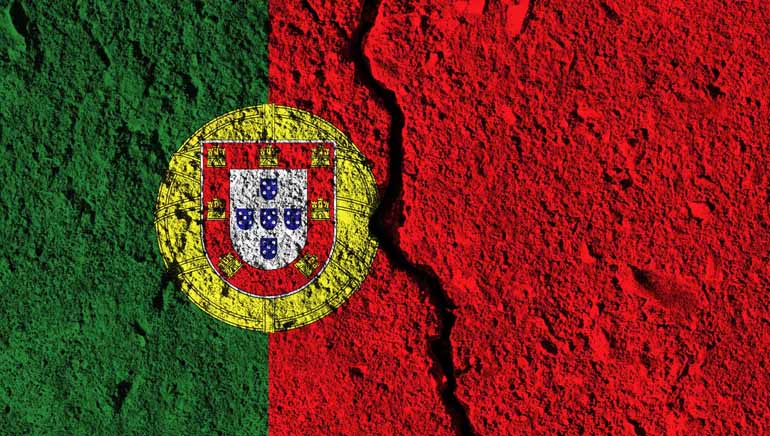
But Portugal is not alone in this turmoil. France and Germany have both questioned the legality of political betting via crypto platforms.
Hungary has already blocked Polymarket at the IP level while the SZTFH (its gambling regulator) is investigating potential illegal gambling. Ukraine has also ordered access restrictions as part of a broader crackdown on unlicensed betting sites.
The common thread? Control. Not crypto itself. Prediction markets operate globally by default, with crypto and fiat currencies. Gambling regulation remains national and rigid. And when those systems collide, friction is inevitable.
One of the hardest questions regulators face is classification. Is a prediction market a financial instrument, a betting product, a decentralised market, or what? To users, it often feels much like trading. To regulators, it often looks like gambling camouflaged as finance.
Online Casino Reports explored that concern on our page about gambling with Meme coins and whether it was twice as risky. With the latter, it was clear that the lines are blurred when it comes to speculation, volatility, meme’s perks, and behavioural bias.
With political markets, those fears are heightened. They intersect with democratic processes, information asymmetry, and public trust. That makes them far more sensitive than sports or entertainment props.

Despite regulatory pushback, participation continues to grow. Part of that comes down to incentives - sophisticated users aren’t just chasing outcomes or betting on crypto prices. They know that smart crypto money is betting on the house. They’re trading probability mispricing, liquidity gaps, and sentiment swings - institutional capital is backing exchanges, custody, and infrastructure instead.
Prediction markets reward those who can read narratives early and exit efficiently. For crypto-native traders, that feels familiar.
Even in regulated regions, users often migrate rather than disappear. VPN’s, alternative platforms, and decentralised front ends are already part of the ecosystem.
The Polymarket situation in Portugal is unlikely to be the last flashpoint. Prediction betting markets are expanding into new categories, attracting mainstream attention, and processing volumes once reserved for established betting firms. At the same time, regulators are realising these platforms exist, often after the fact.
The likely outcome is not disappearance, but fragmentation. Region-specific rules. Selective market bans. Pressure to exclude political events entirely. Crypto prop markets were designed to ignore borders. Governments were not.
How that standoff resolves will shape the next phase of this industry. For now, although things are not all sunshine and roses, one thing is clear when it comes to prediction markets: the appetite for predicting the future - and profiting from being right - isn’t going anywhere.


 Blackjack
 Slots
Slots Roulette
 Baccarat
 Craps
Craps Poker
Poker